Righteous Apparel’s Roadmap for Sizing: Finding Your True Fit
Finding the correct size ought not to be guesswork, yet that’s precisely what takes place when shoppers order online without a clear reference point. The brand built this guide because sizing questions come up all the time, whether a shopper is buying their first righteous hoodie or topping up a wardrobe of righteous clothing staples. How a piece drapes and how long it stays in rotation both hinge on fit. Within weeks, a shirt which is too tight under the arms winds up banished to the back of the closet. No matter how good the design is, a hoodie that drowns the shoulders looks sloppy. This guide walks through how the brand’s garments are cut, how to measure yourself correctly, and how to compare across categories so you order once and land the right fit.
Across online shopping, few frustrations are as common as inconsistent sizing between brands. One brand’s medium can fit like another’s small. That’s why the brand is addressing it head-on rather than assuming customers are already familiar with how righteous apparel runs. Whether you’re just discovering the brand or you’ve browsed a righteous review or two before committing to a purchase, this article lays out the hands-on details required to decide confidently the first time.
Why Fit Differs Throughout the Righteous Clothing Line
Not every garment in a collection is cut the same way, and that’s true for most apparel brands, not just this one. A relaxed hoodie needs extra room through the chest and sleeves to achieve that oversized silhouette, while a fitted tee is cut closer to the body to sit cleanly on the frame. When you’re shopping the righteous clothing brand catalog, it’s useful to approach sizing in terms of garment category rather than a single universal chart.
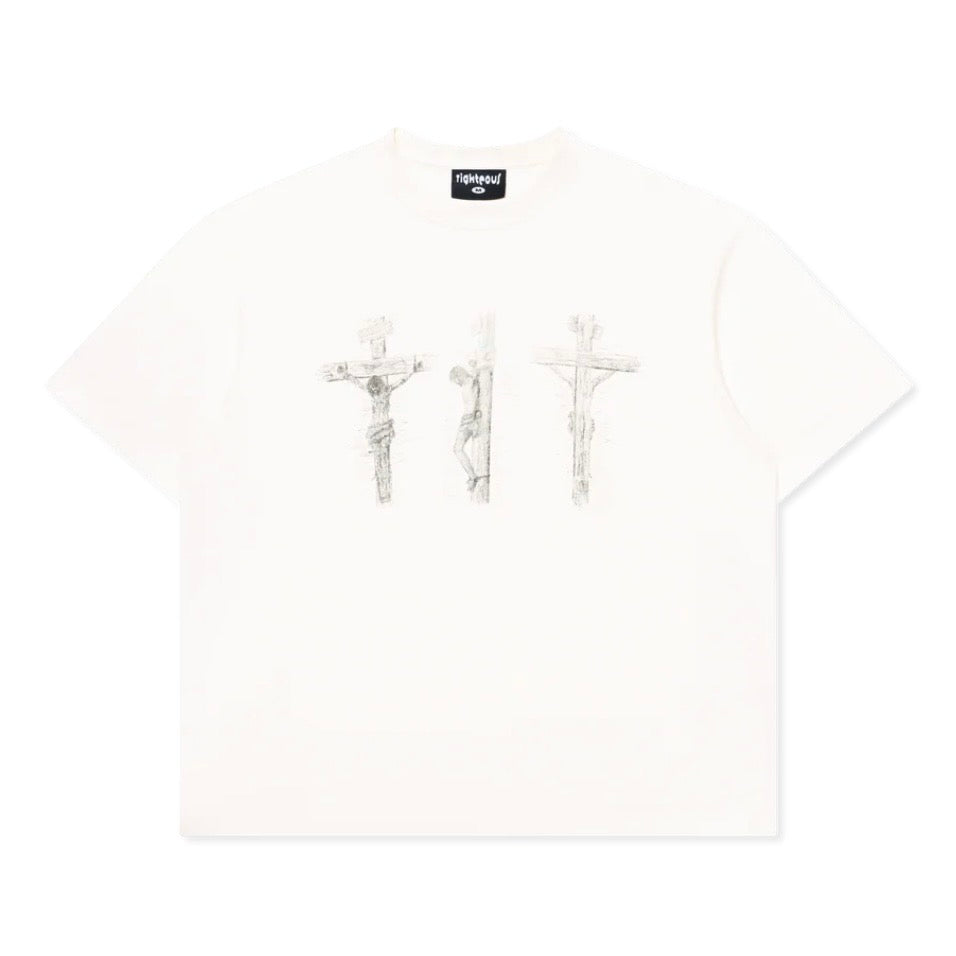
Take heavyweight fleece versus lightweight cotton jersey — they perform quite differently. Because fleece righteous white tee has less stretch, a size that fits tight in a cotton tee could feel constricting in a heavyweight hoodie carrying a similar size label. That’s why We Are Righteous provides category-specific measurements rather than one blanket size chart for everything. Depending on whether you’re looking at outerwear, tops, or bottoms, these key measurements all shift.
Another point worth mentioning is shrinkage. If not cared for properly, cotton-heavy fabrics can shrink slightly after the first few washes — typically in the range of 2-4% depending on fabric composition and wash temperature. Washing in cold water and avoiding high-heat drying preserves the original fit longer. Small as it is, this detail matters if you’re trying to hold onto the exact fit you selected at checkout.
How to Measure Yourself Before Ordering
Ahead of any fit trouble, reaching for a soft measuring tape and jotting down three key measurements clears up the majority of sizing problems. These three areas—chest, waist, and hip anchor any well-informed sizing call, and the process takes less than five minutes to jot down. Hold a natural stance, avoid pulling in your midsection, and keep the tape snug but not tight against the skin.
For chest measurement, wrap the tape around the fullest part of your chest, usually right at nipple level, and keep it even with the ground. You measure the waist at the narrowest point of your torso, usually an inch or two above the belly button. The hip figure is taken by wrapping the tape around the fullest point of your lower body, usually six to eight inches below the waistline.
With those three measurements in hand, compare them against the specific product’s size chart not just going by memory of what size you normally take elsewhere. Sizes are not standardized across the fashion industry, and even from one line to the next of the same brand, cuts change based on fabric and style. This is the single most reliable way to reduce return rates and get a garment that fits properly on the first try.
Understanding Fit Types: Relaxed, Regular, and Oversized
Fit type terminology gets used loosely across the industry, so it helps to clarify what each term means within the We Are Righteous catalog. A regular fit traces the natural shape of the body with a modest ease through the chest and waist, giving a clean silhouette without being restrictive. A relaxed cut introduces extra room throughout, especially through the body and sleeves, producing a looser drape that still holds its shape.
The oversized fit—common throughout the righteous hoodie lineup—is purposely sized larger than typical proportions. Seams at the shoulder fall lower, sleeves are extended, and the body length extends past the hip. The look is intentional, not a mistake in sizing, so if you order an oversized hoodie anticipating a snug fit, you’ll likely be unsatisfied. Reviewing both the description and the size chart tells you which fit category you’re dealing with.
Bottoms work under the same principle. Relaxed-labeled joggers and sweatpants will have a wider leg opening and more spacious seat, while slim-cut styles hug closer to the ankle. Matching your expectation to the actual fit type prevents the most common complaint we see in customer feedback and in any honest we are righteous review: garments that fit other than how the buyer expected because they didn’t check the fit description first.
Weighing Size Ranges Throughout Product Categories
Because top layers, hoodies, and bottoms are put together differently, it helps to see how sizing tends to change between product types alongside one another. The breakdown beneath this summarizes general sizing tendencies for the three primary item types in the present lineup, based on standard adult sizing from XS through XXL.
| Category | Standard Fit | Chest & Waist Room | Length Behavior |
|---|---|---|---|
| Tees | Regular | 2-3 inches of extra space at chest | Usual hip-length hem |
| Hooded pullovers | Oversized | 4-6 inches of ease at the chest area | Drops 2-3 inches past the hip |
| Jogger pants | Easygoing | 1-2 inches of room at the waistline | Ankle-length fit with an elasticized cuff |
This comparison makes it easier to grasp why a medium hoodie might feel roomier than a size-medium t-shirt, even though both are labeled the identical size. Build and intended shape vary between them, and it’s a purposeful design choice, not an inconsistency. When shopping across multiple categories in one order, checking each product’s individual chart still matters, but this comparison offers a starting point before you dive into specifics.
Frequent Fit Queries From We Are Righteous Customers
A frequently asked question is whether to size up or size down for a shorter, cropped silhouette on hoodies. If you want the roomy shape to sit shorter on the body, going one size smaller generally gets you there without compromising shoulder and sleeve proportions too dramatically. Sizing down more than one size, however, tends to distort the planned silhouette of the garment, so it’s best avoided.
Something else customers often ask involves wearing pieces on top of one another. Customers who plan to wear a hoodie over a t-shirt or long-sleeve base layer sometimes size up to accommodate the extra bulk. This holds up with relaxed and oversized cuts but can look too baggy with regular-fit tops, since those are already cut closer to the body. If you intend to layer, account for it when comparing measurements before ordering.
Questions about returns and exchanges are common too, and while the exact terms are detailed at checkout and in the FAQ section of the site, the core recommendation stands: when torn between two size options, compare the item’s actual finished measurements to your own rather than defaulting to your go-to size. This single habit clears up the most fit uncertainty before an order is even placed.
Last Fit Tips for 2026 Shoppers
Sizing shouldn’t be a barrier between you and a piece you actually want to wear. Taking five minutes to measure yourself, checking the fit type description, and cross-referencing the category-specific chart clears away most of the uncertainty that results in returns. While the lineup expands with fresh silhouettes throughout 2026, these core ideas still apply regardless of the specific garment.
Ahead of confirming your size, measure first, check against the chart, and consider the planned silhouette — this remains consistent whether you’re building a complete collection based on we are righteous brand items or just grabbing a single hoodie to gauge the quality and fit. Reduced returns, better wear over time, and garments that actually get worn rather than staying folded up in a drawer — that’s what confidence in sizing brings.
Because reliable sizing guidance turns a single order into a repeat customer relationship, thorough charts and fit breakdowns are published instead of vague general sizing. Double-check your measurements, order once, and the fit will follow.
